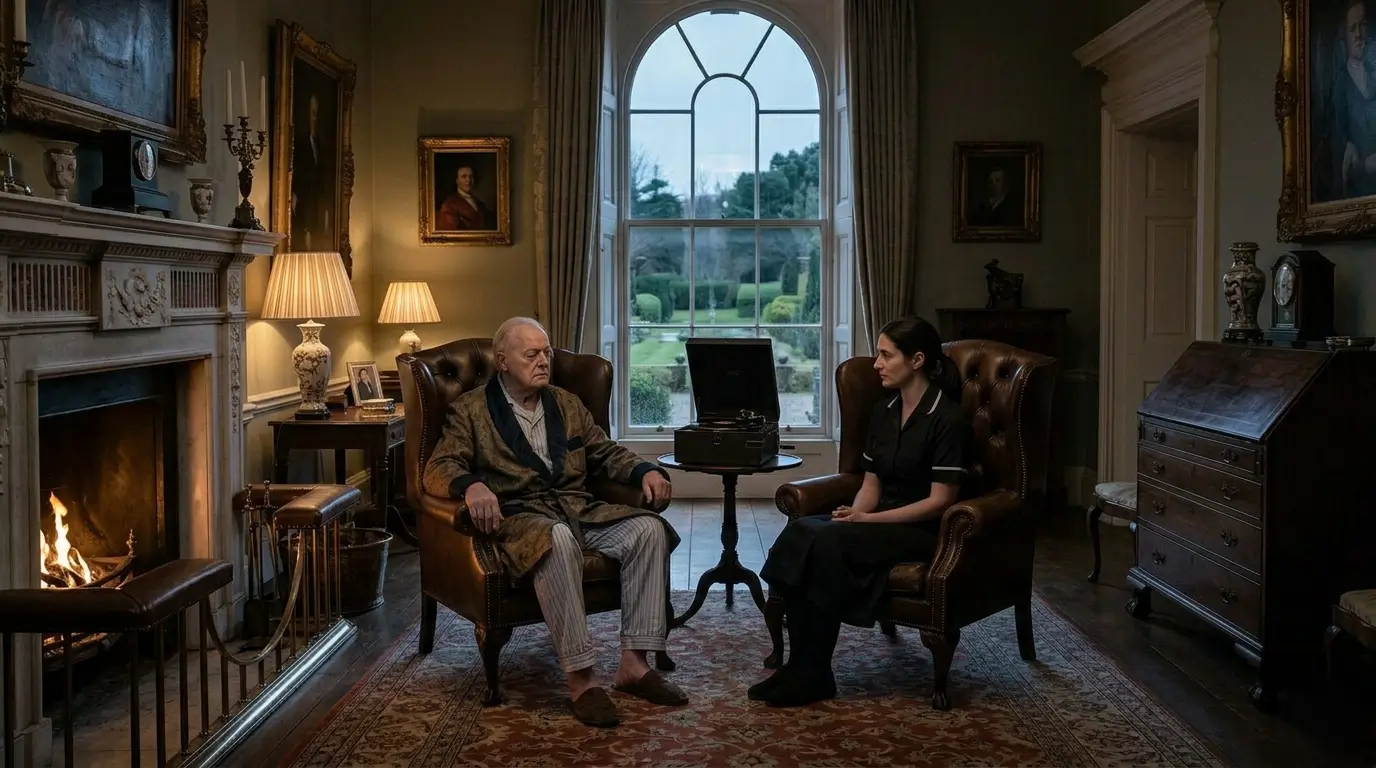
Mr. Whitaker was never the kind of man who made things easy. From the first day I stepped into the Whitaker estate as his caregiver, I understood that quickly.
The house itself felt cold despite its size and beauty. Every hallway carried silence, every room felt carefully controlled, and every interaction with him came with tension I could almost predict before he spoke.
I was hired to help care for him after his health began to decline. His family explained the basics, showed me around the property, and gave me instructions about routines and medications.
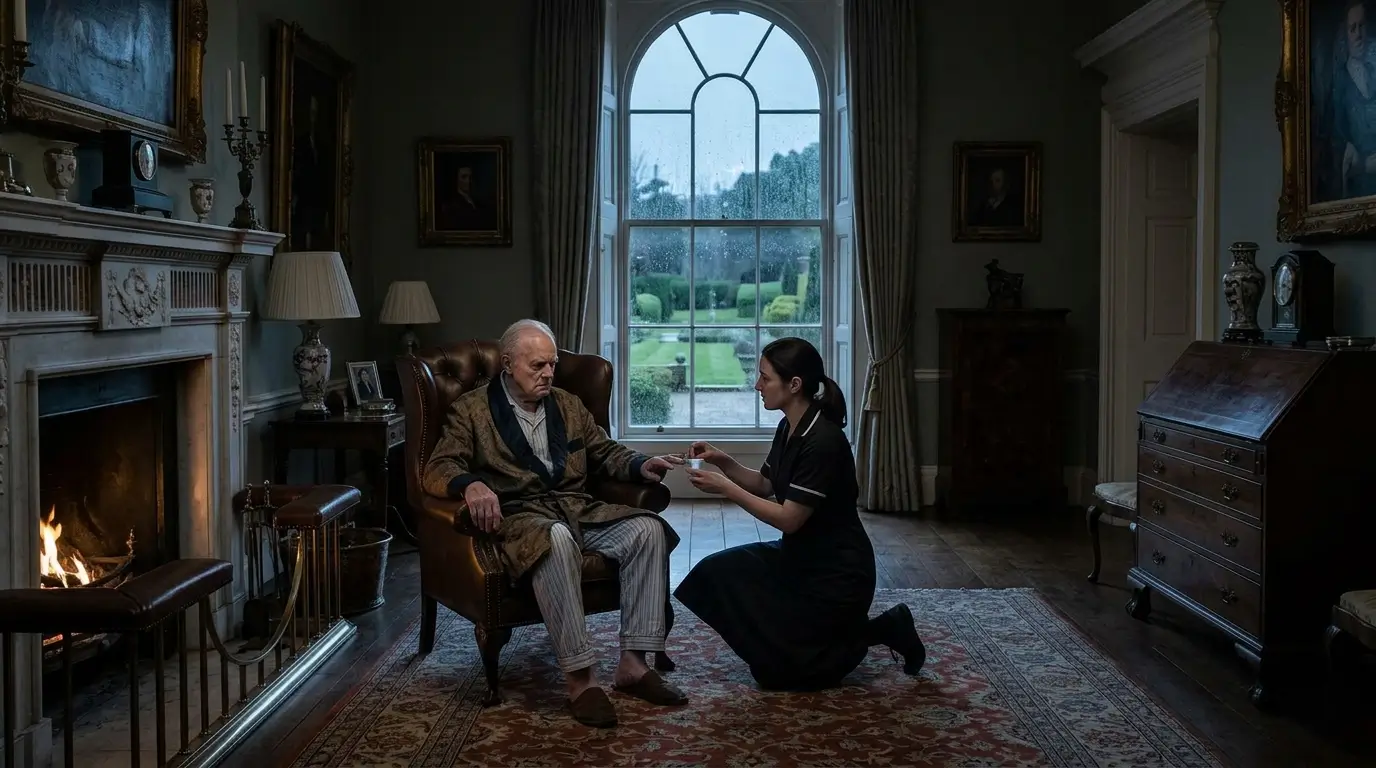
Everything was professional and distant. To them, I was simply another employee brought in to handle responsibilities they either could not manage or did not want to manage themselves.
At the beginning, Mr. Whitaker refused almost every form of help. If I reminded him to take his medication, he would tell me he was perfectly capable of remembering on his own.
If I tried to assist him while walking through the estate, he would brush my hand away. Even preparing meals became difficult because he criticized nearly everything placed in front of him.
Still, I stayed.
Most people would have left. Some actually did before me. The staff whispered stories about previous caregivers who lasted only weeks before giving up.
Mr. Whitaker had a reputation for being demanding, proud, and emotionally closed off.
He rarely thanked anyone. He rarely smiled. At times, it seemed like he intentionally created distance between himself and everyone around him.
But I slowly realized something important about Mr. Whitaker. Beneath the frustration and resistance was a man terrified of losing control over his own life.
Aging had stripped pieces of independence from him little by little. His body no longer responded the way it once had. Tasks that used to take seconds now took effort.
The wealthy businessman who once managed large investments and commanded rooms full of people now needed assistance getting through ordinary days. That reality clearly haunted him.
Understanding that changed the way I approached my work.
Instead of taking his harsh words personally, I learned to give him space when he needed it. I stopped trying to force conversations and allowed silence to exist naturally between us. I became patient in ways I had never been before.
Over time, routines formed.
Every morning, I would prepare breakfast exactly the way he liked it. Toast lightly crisped. Coffee strong but not bitter. Fruit sliced neatly on the side.
At first, he never acknowledged the effort. Then one morning, after nearly a year of caring for him, he quietly said, “You finally learned how I like my coffee.”
It was not exactly praise.
But for Mr. Whitaker, it was close.
That small moment stayed with me because it felt like the first crack in the wall he had built around himself.
As the months passed, more moments followed.
Sometimes he would ask me to sit in the study while he read the newspaper. Other times, he would comment on the weather or bring up stories from his younger years. The conversations were never emotional or deeply personal, but they became more human.